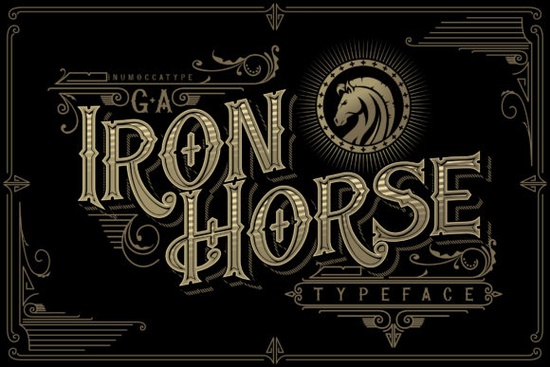
Finding the right typography for a gritty, vintage, or highly stylized project can be tricky. You want something that stands out without becoming completely illegible. The Iron Horse Font is a bold blackletter typeface that finds a good balance between old-world charm and modern readability. Whether you are designing a logo for a craft brewery, creating custom greeting cards, or setting up a new web layout, this specific typeface adds a distinct, heavy visual weight to your work.
What makes a good blackletter font for modern projects?
Designers often avoid traditional gothic styles because they feel too rigid or difficult to read on digital screens. However, a well-crafted modern version keeps the sharp angles and thick strokes but opens up the letterforms just enough so people can actually read them quickly. When browsing through other heavy gothic typefaces, you will notice that the best ones maintain a strong, recognizable silhouette while avoiding cluttered intersections. This particular design leans into thick, confident lines, making it highly visible even when scaled down for small merchandise tags, social media graphics, or website headers.
How can crafters and print-on-demand sellers use this style?
If you run a small business or sell custom goods online, typography is one of your biggest selling points. Heavy, stylized letters work really well on physical products because they hold up to various printing methods and materials.
Here are a few practical ways to apply this typeface to your products:
- Apparel: Print short, punchy quotes, band names, or single words on the back of heavy cotton t-shirts. The thick strokes look incredibly sharp in puff print, embroidery, or standard screen printing.
- Drinkware: Wrap a stylized name, a family crest, or a short motto around a ceramic mug, glass pint, or enamel camp cup. The bold lines wrap nicely around curved surfaces.
- Paper Goods: Use it for the main heading on wedding invitations, anniversary cards, or premium packaging labels. It gives a very formal, established feel to everyday paper products.
- Signage: Create wooden, acrylic, or metal signs for local shops, coffee houses, or rustic home decor. The heavy weight translates perfectly to laser cutting and routing.
What should you pair with a heavy gothic typeface?
Because this specific style carries so much visual weight, it absolutely needs room to breathe on the canvas. Pairing it with the wrong secondary font can make your entire layout look messy and unprofessional.
- Use a clean sans-serif: A simple, geometric sans-serif font works best for body text, pricing, or subheadings. It provides a quiet, modern contrast to the ornate main title.
- Limit your usage: Stick to using the blackletter style for just one or two words, like a brand name or a main event title. If you try to write a whole paragraph in it, your readers will get frustrated and stop reading.
- Mind the spacing: Blackletter characters often have wide, sweeping edges and sharp diagonal cuts. You will almost always need to adjust the kerning manually in your design software to ensure the words look cohesive and balanced.
How do you prepare files for commercial printing?
When you move your designs from a screen to a physical product, file preparation is critical. Heavy fonts can sometimes cause issues with ink spread or vinyl cutting if the details are too small.
- Convert to outlines: Before sending your final file to a commercial printer, a vinyl cutter, or a laser engraver, always convert your text to shapes or outlines. This simple step prevents missing font errors and keeps your edges crisp.
- Check the minimum size: Test your design at the actual physical print size on your screen. If the inner gaps of the letters fill in with ink or look muddy, you need to make the text larger or choose a thinner weight.
- Use high contrast: This bold style looks best in stark black and white or high-contrast color pairings. Avoid placing dark, heavy text on a dark background, as the intricate edges will completely disappear.
Final pre-production checklist
Before you finalize your next design project, run through this quick checklist to ensure your typography is ready for production:
- Text is converted to outlines or shapes.
- Kerning is manually adjusted for a smooth visual flow.
- The blackletter text is limited to short headings or single words.
- Secondary body text uses a clean, highly readable sans-serif.
- The design is tested at actual print scale to check for ink bleed.
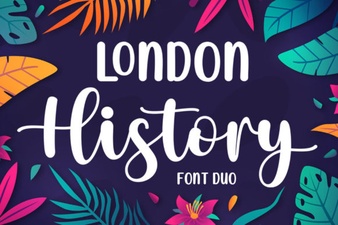 Creative Typography: London's History Through Duo Fonts
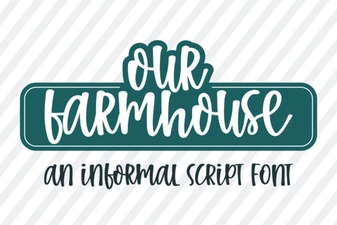 Our Farmhouse Font for Creative Projects
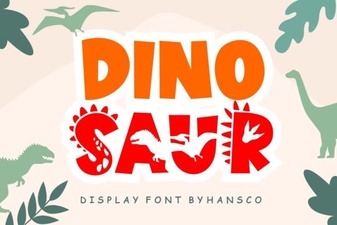 Creative Font Designs for Dinosaur Illustration Projects
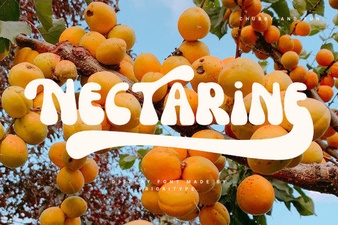 Nectarine Font: a Fresh Design for Modern Projects
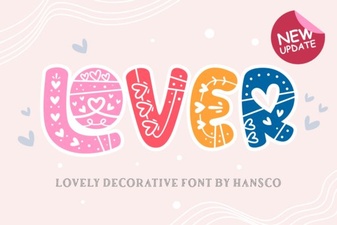 Fonts for Love Letters & Creative Design Projects
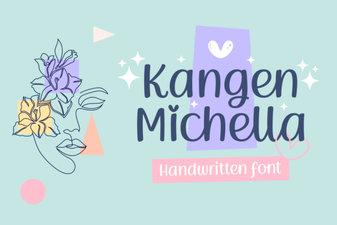 Kangen Michella Font: Creative Projects and Uses