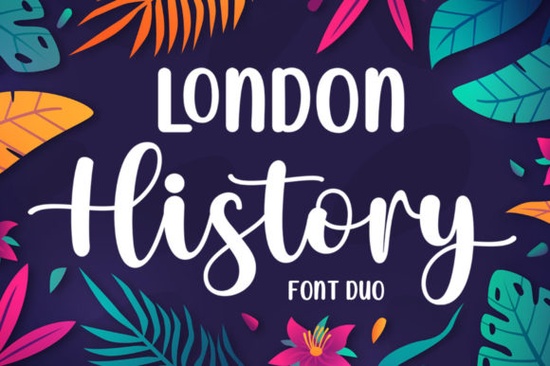
Finding the right typography can make or break a design project. If you are working on branding, wedding stationery, or print-on-demand apparel, mixing a bold display typeface with a flowing script often creates the best visual balance. The London History Duo Font offers exactly this combination. It pairs a structured display style with a cursive script, giving crafters and small business owners two distinct looks in a single download.
What makes a display and script duo useful for crafting?
When you design merchandise or paper goods, relying on just one typeface can make the layout look flat. A duo gives you a built-in visual hierarchy. You can use the heavier display version for the main title or brand name, and then switch to the cursive version for subtitles, dates, or signature elements. This saves time because you do not have to hunt for a secondary font that matches the mood. For print-on-demand sellers creating t-shirts or tote bags, having these two styles ready to go speeds up the entire mockup process.
How do you access the extra swashes and glyphs?
Many crafters get frustrated when they see beautiful alternate characters on a product preview but cannot find them in their design software. This specific typeface is PUA encoded. That means all the extra swashes, ligatures, and alternate characters are fully accessible even if you are using basic programs like Cricut Design Space, Silhouette Studio, or standard word processors. You do not need expensive professional software to use the special characters. You can simply open your computer's character map, copy the specific glyph you want, and paste it directly into your canvas.
Which projects work best with cursive and display combinations?
The mix of structured and flowing letters works exceptionally well for projects that need a touch of elegance without looking too formal.
- Wedding Stationery: If you are designing save-the-dates or seating charts, the script adds a personal touch while the display font keeps the names readable. If you need more options for invitations, you might also explore a romantic handwritten style for your bridal suite.
- Apparel and Merchandise: For boutique clothing lines, pairing a bold brand name with a cursive tagline creates a professional retail look.
- Home Decor: Wooden signs, acrylic welcome boards, and custom mugs benefit from the contrast between thick and thin letterforms.
- Social Media Graphics: Small businesses can use the display font for sale announcements and the script for aesthetic quotes. If your brand leans more toward a relaxed, everyday vibe, a casual hand-lettered alternative might suit your daily posts.
Sometimes, a project requires a highly specific mood. For instance, if you are designing a vintage-themed poster, you might want to pair this duo with a retro-inspired brush lettering style to complete the aesthetic. Alternatively, for modern minimalist branding, a clean simple cursive option can keep the layout uncluttered. And if you are working on a cozy, autumn-themed product line, a warm and rustic handwritten typeface will complement the seasonal graphics perfectly.
What should you check before using a new font for commercial projects?
Before you finalize your design and send it to the printer or upload it to your online store, run through a quick quality check.
- Read the licensing terms: Make sure your purchase includes a commercial license if you plan to sell physical products or digital templates.
- Test the readability: Print a test page or view your design on a mobile screen. Cursive fonts can sometimes be hard to read at very small sizes.
- Check the spacing: Adjust the kerning and leading. Script fonts often need tighter letter spacing, while display fonts might need a bit more breathing room.
- Verify the cut lines: If you are using a vinyl cutter, ensure the script letters are properly welded or joined so the machine does not cut through the overlapping lines.
Next Step: Open your design software and type out your brand name or a favorite quote using both the display and script versions. Play with the sizing and overlap the tail of the script slightly under the display text to see how the two styles interact before committing to a final layout.
Learn More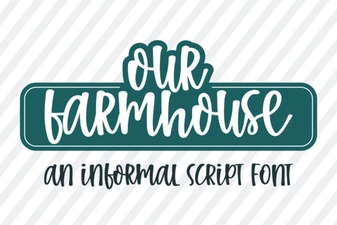 Our Farmhouse Font for Creative Projects
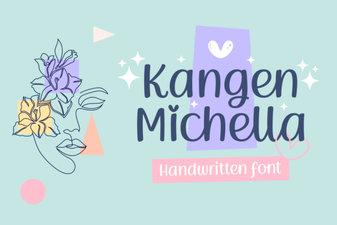 Kangen Michella Font: Creative Projects and Uses
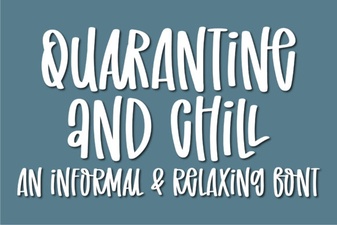 Quarantine and Chill Font for Creative Projects
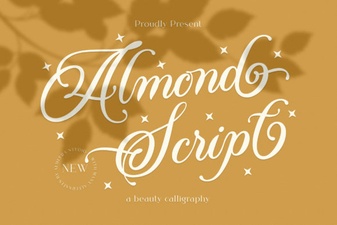 Almond Script: a Beautiful & Creative Font
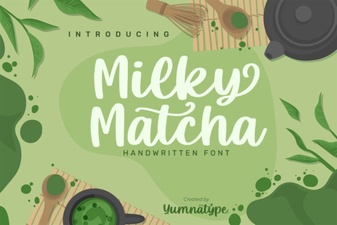 Milky Matcha Font: a Creative Design Toolkit
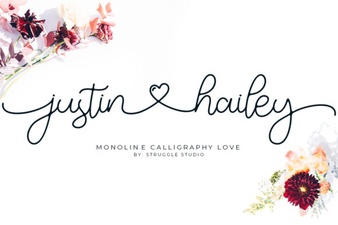 Justin Hailey Monoline Font: Download & Usage Guide