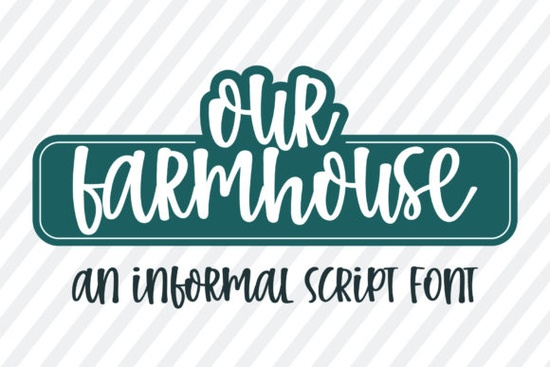
Finding the right lettering style can completely change the mood of a craft project or branding package. When you want a relaxed, rustic feel without sacrificing readability, a quirky and laid-back handwritten typeface is usually the best choice. The Our Farmhouse Font fits this niche perfectly, offering a casual vibe that works beautifully for everything from wedding invitations to custom t-shirt designs. It brings a warm, personal touch to your font library, making it a reliable tool for both professional designers and weekend crafters who need versatile typography.
What makes a good handwritten typeface for craft projects?
When selecting lettering for DIY crafts or small business packaging, you need a style that feels authentic and approachable. Hand-drawn styles often struggle with awkward spacing or poor legibility, but a well-crafted script keeps things clear while maintaining that human touch. If you are exploring other options with a similar relaxed feel, you might also look at the Linkgray typeface for a slightly different rustic texture. The key is finding a balance between quirky details and clean lines so your text remains easy to read on smaller items like ceramic mugs, vinyl stickers, or paper gift tags.
How do you use rustic lettering in print-on-demand and small business branding?
Print-on-demand sellers and boutique owners rely heavily on typography to set their brand apart from competitors. A laid-back script works exceptionally well across multiple product categories:
- Apparel graphics: Creating vintage-style slogan tees, cozy autumn sweatshirts, or baby onesies.
- Home decor: Designing wooden welcome signs, canvas prints, or personalized family name plaques.
- Packaging: Adding a custom, hand-stamped look to thank-you cards, tissue paper, and product boxes.
For those who want to mix things up, incorporating a delicate alternative like the Maternity script can add a softer, more elegant contrast to your bolder, rustic designs. This variety helps small businesses offer a wider range of products to their customers without their portfolio looking repetitive or stale.
Pairing casual scripts with other typefaces
A common mistake in typography is using too many decorative styles at once. To keep your layouts clean and professional, pair your main handwritten text with a simple, geometric sans-serif or a classic serif font. For instance, if your main heading uses a highly textured style, your subheadings should be minimal and understated. If you need a smooth, flowing alternative for your secondary text, the Madina lettering style provides a beautiful, sweeping contrast to blockier, farmhouse-inspired designs. You can also browse our collection of similar rustic scripts to find the perfect complementary match for your specific layout and brand identity.
Which software and file formats work best for custom lettering?
Most crafters and designers use vector software or cutting machine programs to manipulate their text. Ensure the typeface you download includes standard formats like OTF and TTF, which are universally supported across different platforms.
- Cricut Design Space and Silhouette Studio: Both platforms handle standard font files well, allowing you to weld letters together for seamless vinyl cutting.
- Adobe Illustrator and Affinity Designer: Ideal for print-on-demand sellers who need to convert text to outlines and adjust individual kerning pairs for large-format printing.
- Canva and Procreate: Great for hobbyists making digital planners, social media graphics, or digital scrapbooking elements.
When working with highly detailed scripts, you might also want to test the White Crystal script to see how intricate ligatures render in your specific cutting software before committing to a final production run.
What should you check before finalizing your design?
Before sending your design to print or cutting your final vinyl piece, run through this quick checklist to ensure a flawless result:
- Check the kerning: Ensure no awkward gaps exist between connected letters, especially where swashes overlap.
- Test the scale: Print a physical draft at actual size to verify readability from a normal viewing distance.
- Verify the license: Confirm your font license covers commercial use if you are selling the final physical or digital product.
- Weld the text: If using a cutting machine, weld your script lines so the blade cuts one continuous shape rather than individual overlapping letters.
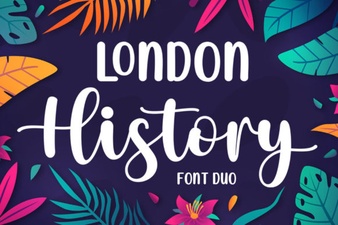 Creative Typography: London's History Through Duo Fonts
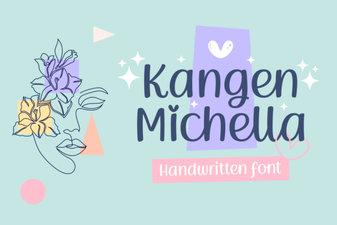 Kangen Michella Font: Creative Projects and Uses
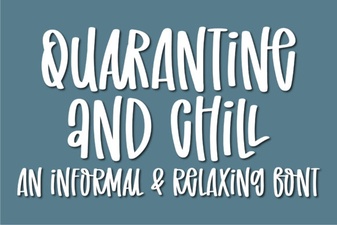 Quarantine and Chill Font for Creative Projects
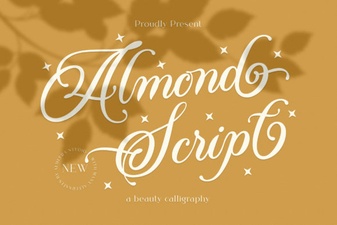 Almond Script: a Beautiful & Creative Font
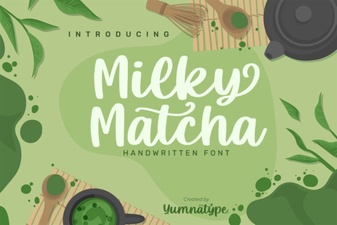 Milky Matcha Font: a Creative Design Toolkit
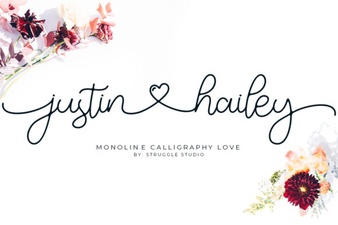 Justin Hailey Monoline Font: Download & Usage Guide