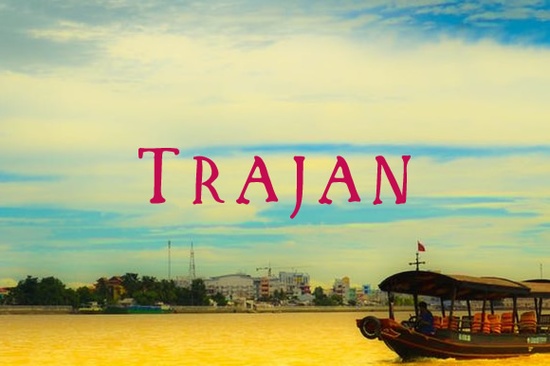
When you need a design that feels authoritative, classic, and timeless, the right lettering makes all the difference. The Trajan Font by Blessed Print draws direct inspiration from ancient Roman square capitals carved into stone monuments. This style of lettering has been a staple in graphic design for decades, especially in entertainment and high-end branding. Whether you are designing a movie poster, setting up a print-on-demand shop, or crafting custom wedding invitations, this typeface brings a sense of history and weight to your projects. The original letterforms are based on the inscriptions that inspired the classic Trajan typeface, which essentially set the standard for Western typography.
Why do designers keep choosing this lettering style for major projects?
There is a reason you see this specific style of all-capital lettering on epic film posters, luxury brand logos, and university seals. The geometry of the letters is based on the square, the circle, and the triangle. This mathematical foundation gives the text a natural balance that feels deeply ingrained in our visual culture.
For small businesses and independent creators, using this style communicates stability and trust. If you are launching a premium product line, a legal consultancy, or a historical podcast, the sharp serifs and commanding presence of these characters immediately tell your audience that you mean business. It avoids the playfulness of modern scripts and the starkness of minimalist sans-serifs, sitting perfectly in the middle as a mark of prestige.
How should you pair this typeface with other fonts?
Because this typeface is highly decorative and usually used in all-caps, it demands attention. It works best as a headline or a focal point, meaning your body text needs to step back and let it shine.
The safest approach is to pair it with a clean, highly readable sans-serif like Helvetica or Futura for your smaller text. The contrast between the ornate, historical headline and the modern, simple body copy keeps the design legible. If you prefer to stick with serifs throughout your design, you must choose supporting fonts carefully to avoid visual clutter. You might explore a collection of alternative serif typefaces to find a lighter, less imposing secondary font that complements rather than competes with your main heading.
Where does this lettering work best in crafting and print-on-demand?
Crafters and print-on-demand sellers will find this style incredibly versatile across different physical mediums. The distinct, sharp lines translate beautifully to physical production methods.
- Laser cutting and CNC routing: The clear, defined edges and lack of overly thin hairlines make this lettering ideal for cutting out of wood or acrylic.
- Screen printing and apparel: It holds up well on t-shirts and tote bags, especially when you need a bold, vintage, or academic aesthetic.
- Engraving and embossing: The classic proportions look exceptionally crisp when stamped into leather or engraved on metal jewelry.
When building out your design assets for these physical products, it helps to browse the broader category of classical serif fonts to find matching numbers, symbols, or alternate characters that fit your specific manufacturing needs.
What settings get the best results when formatting your text?
Simply typing out your words and applying the typeface is rarely enough to get a professional result. The way you space the characters will completely change the mood of the design.
Tight tracking (moving the letters closer together) makes the text feel heavy, urgent, and monumental. This is great for short, impactful titles. On the other hand, wide tracking (adding space between the letters) creates an elegant, cinematic, and luxurious feel. This is the standard approach for high-end branding and movie posters. Always test a few different spacing options before finalizing your layout.
Quick checklist before exporting your final design
Before you send your file to the printer or upload it to your online store, run through these quick steps to ensure your lettering looks perfect:
- Convert text to outlines: This prevents any missing font errors when the file is opened on a different computer or sent to a manufacturer.
- Check the kerning: Look closely at awkward letter combinations, like an 'A' next to a 'V' or 'W', and manually adjust the space if necessary.
- Test the contrast: Ensure the lettering stands out clearly against your background, especially if you are using a dark color on a textured surface.
- Verify the spelling: Because all-caps text is harder for the brain to read quickly, double-check your spelling to avoid costly reprinting mistakes.
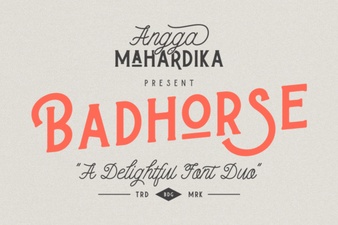 Badhorse Font: Creative Design Projects & Ideas
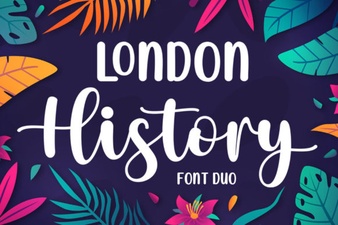 Creative Typography: London's History Through Duo Fonts
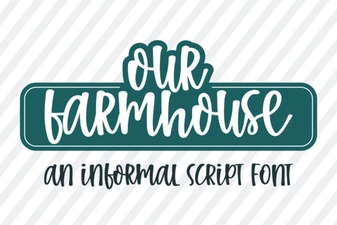 Our Farmhouse Font for Creative Projects
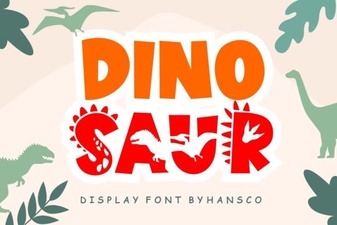 Creative Font Designs for Dinosaur Illustration Projects
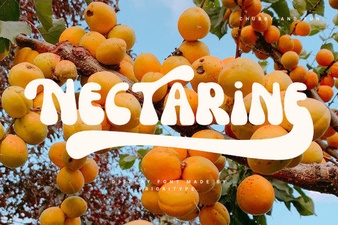 Nectarine Font: a Fresh Design for Modern Projects
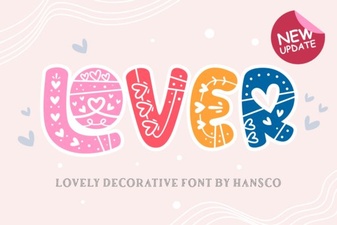 Fonts for Love Letters & Creative Design Projects