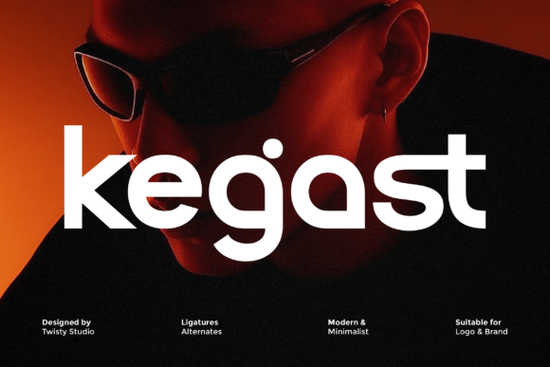
Finding the right typeface for a clean, modern project can take hours of scrolling through endless options. If you need something that looks professional without feeling too rigid, the Kegast Font is a highly practical choice. It is a modern minimalist sans serif that focuses on simple, clear letterforms and balanced proportions. Whether you are designing a brand identity for a small business, setting up a new Shopify store, or creating sleek print-on-demand apparel, this typeface gives your work a polished, contemporary look without cluttering the page.
What makes a minimalist sans serif work for branding?
When building a visual identity, small businesses need typography that scales well. A geometric sans serif works because it relies on basic shapes like circles and squares, making the letters look stable and trustworthy. This specific typeface uses refined geometric details that keep the text looking sharp, even when scaled down for business cards or social media profile pictures.
The uncluttered visual presence means your logo or brand name remains the focal point. If your brand needs a slightly softer, rounded edge instead of strict geometry to appear more approachable, browsing through playful rounded typefaces can help you compare how different letter shapes change the overall mood of your logo.
How does this typeface perform in print-on-demand and crafting?
For print-on-demand sellers and crafters, readability and clean lines are essential. When you are printing text on t-shirts, mugs, or tote bags, highly decorative fonts can become illegible from a distance. The balanced proportions of this minimalist design ensure that your slogans, quotes, and brand names are easy to read from afar.
Crafters using vinyl cutting machines like Cricut or Silhouette will also appreciate the clean edges. Intricate fonts often cause tearing or weeding issues when cut small. Because this font avoids unnecessary flourishes, it cuts smoothly and weeds easily. For crafters who want a slightly more rugged or vintage feel for their outdoor gear designs, looking at distressed travel styles offers a nice contrast to this clean, modern aesthetic.
Which projects benefit most from clean geometric letterforms?
This style of typography is incredibly versatile, but it truly shines in projects that require a high level of professionalism and clarity. Here are a few ways designers and hobbyists use this style effectively:
- Editorial design: Using it for magazine headers or blog post titles to create a sharp, modern hierarchy.
- Packaging: Printing ingredient lists and brand names on cosmetic or food packaging where space is limited and legibility is legally required.
- Web design: Setting navigation menus and hero text on landing pages to guide the user's eye without distraction.
- Stationery: Creating minimalist wedding invitations or corporate letterheads that feel timeless rather than trendy.
Sometimes a single font weight isn't enough for a complex layout. If you find yourself needing more variety for subheadings and body copy, pairing this clean face with a versatile two-weight duo gives you much more flexibility across your entire design system.
Is it easy to install and use for beginners?
Yes, working with modern digital typefaces is straightforward, even if you are just starting out. The files typically come in OTF and TTF formats, which are universally supported. You can install them on both Windows and Mac operating systems in just a few clicks.
Once installed, the font will automatically populate in your favorite design software. It works seamlessly in professional tools like Adobe Illustrator and Photoshop, as well as beginner-friendly platforms like Canva and Cricut Design Space. If you want to review the full character set and ligatures before committing, checking out the complete sans serif gallery is a good way to verify it has all the special characters you might need for multilingual projects.
How should you prepare your files before cutting or printing?
Before sending your design to a printer or a cutting machine, taking a few extra steps will save you from common formatting errors. Outlining your text is the most important step for professional results.
- Convert text to outlines: In Illustrator, select your text and choose Create Outlines. This turns the letters into vector shapes, ensuring the printer doesn't need to have the font installed on their computer.
- Check kerning: Look closely at the spacing between specific letter pairs, like A and V. Adjust the tracking manually if the gaps look too wide or too tight.
- Test a small print: If you are doing physical crafts, cut a small test piece on scrap vinyl or print a draft on regular paper to check the physical size and legibility.
Next steps for your design project
Before you start your next layout, open a blank document and type out your brand name, a short slogan, and a paragraph of dummy text using this typeface. Print it out or view it on your phone to see how it holds up at different sizes. This quick test will help you decide on the perfect line height and letter spacing for your final design.
Learn More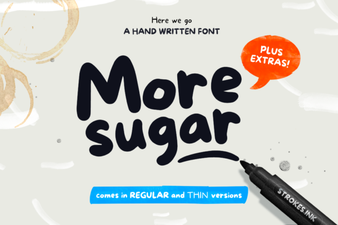 Playful and Friendly Typefaces for Creative Projects
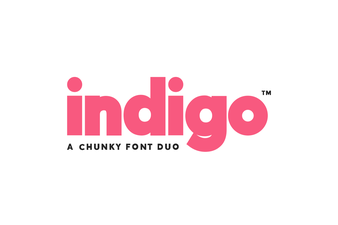 The Indigo Duo Font: Versatile Styling for Modern Design
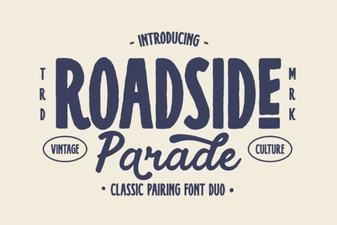 Roadside Fonts for Creative Projects
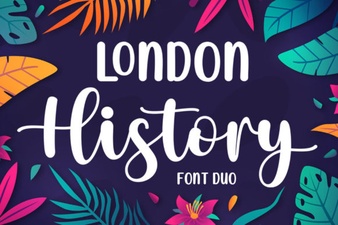 Creative Typography: London's History Through Duo Fonts
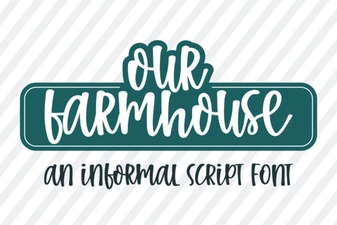 Our Farmhouse Font for Creative Projects
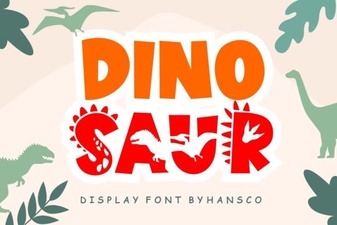 Creative Font Designs for Dinosaur Illustration Projects