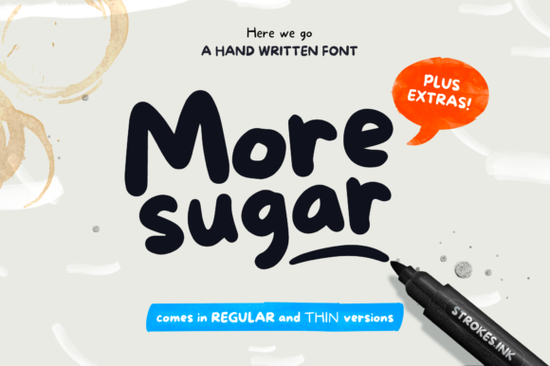
Choosing the right typography can completely change how a customer feels about your product. When you need a typeface that feels approachable, friendly, and distinctly human, the More Sugar Font is a highly practical choice. This bouncy handwritten style features natural strokes that give off a relaxed, casual vibe. It is especially useful for crafters, print-on-demand sellers, and small business owners who want their designs to feel personal rather than corporate.
What projects work best with a bouncy handwritten style?
The casual feel of this typeface makes it incredibly versatile for lighthearted projects. Because the letters have a playful bounce, they naturally draw the eye without looking messy. This makes it a strong candidate for product packaging, particularly for items like artisan candles, handmade soaps, or boutique coffee blends. The nuanced design ensures that even simple layouts look thoughtfully put together.
Print-on-demand sellers often use this kind of lettering for apparel and tote bags. A short, punchy quote or a simple brand name looks great when the letters have a bit of personality. If you are designing greeting cards, wedding invitations, or party favors, the handwritten strokes add a warm, personal touch that standard system fonts simply cannot match. If you enjoy this aesthetic, checking out similar casual typefaces can give you plenty of fresh ideas for your next craft project.
How do you pair playful scripts with other typefaces?
One common mistake designers make is using a highly decorative font for every single piece of text on a page. To keep your layouts readable, you need to balance the bouncy, handwritten elements with simpler, more neutral fonts. The main title or logo can carry all the personality, while the supporting text should stay quiet and legible.
For body copy, ingredient lists, or small details on a package, you might want to balance the main lettering with a clean geometric alternative to ensure everything remains easy to read at smaller sizes. Alternatively, you could use something with a slightly more structured vibe to keep the overall layout grounded and professional. If you prefer not to guess which weights and styles match, using a complete pairing set takes the guesswork out of the process and saves you time.
Where can small businesses use this style for branding?
Small businesses thrive on building personal connections with their audience. Using a friendly, handwritten typeface in your branding helps establish that connection immediately. Here are a few specific ways to integrate this style into your daily operations:
- Social Media Graphics: Use it for bold, short headlines on Instagram or Pinterest pins to stop users from scrolling.
- Email Newsletters: Apply it to section headers or special discount codes to make your promotional emails feel like a note from a friend.
- Product Labels: Print it on thank-you cards or custom stickers included in your shipping boxes to enhance the unboxing experience.
- Market Signage: Use it on chalkboards or printed banners at craft fairs and farmer's markets to attract foot traffic.
What should you check before finalizing your design?
Before you send your design to the printer or publish it online, it helps to run through a quick review process. Handwritten fonts can sometimes cause spacing issues or look cluttered if not handled correctly.
Follow this practical checklist to ensure your final project looks polished:
- Check the kerning: Look closely at where the letters connect. Adjust the spacing manually if any two characters look awkwardly squished together.
- Test the legibility: Zoom out to 50% or print a test page. If you cannot read the words easily from a distance, the font might be too small or the color contrast too low.
- Limit your usage: Restrict the handwritten style to headings, logos, or short phrases. Never use it for long paragraphs of text.
- Verify the background: Ensure the background color or pattern does not compete with the natural strokes of the letters. A solid, light background usually works best.
By keeping your layout clean and letting the natural strokes do the heavy lifting, your designs will look both professional and inviting. Take some time to experiment with different color palettes and see how the lettering adapts to your specific brand identity.
Download Now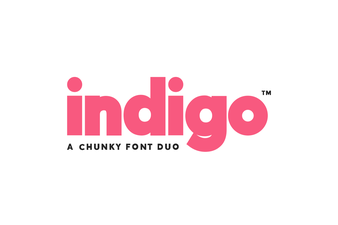 The Indigo Duo Font: Versatile Styling for Modern Design
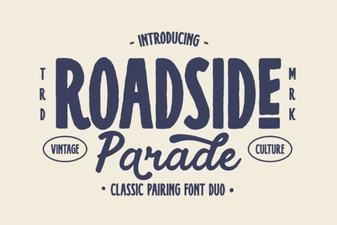 Roadside Fonts for Creative Projects
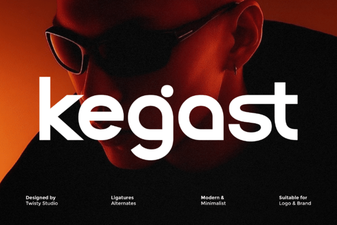 Introducing Kegast: a Font for Creative Typography
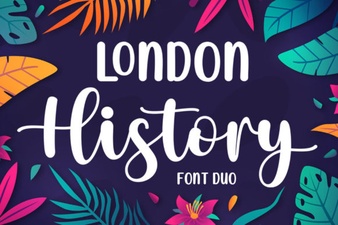 Creative Typography: London's History Through Duo Fonts
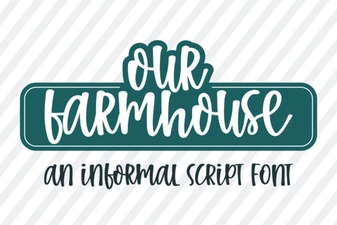 Our Farmhouse Font for Creative Projects
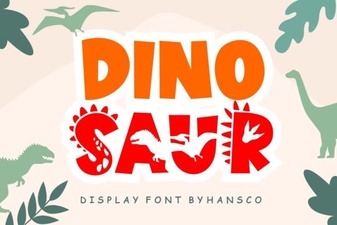 Creative Font Designs for Dinosaur Illustration Projects