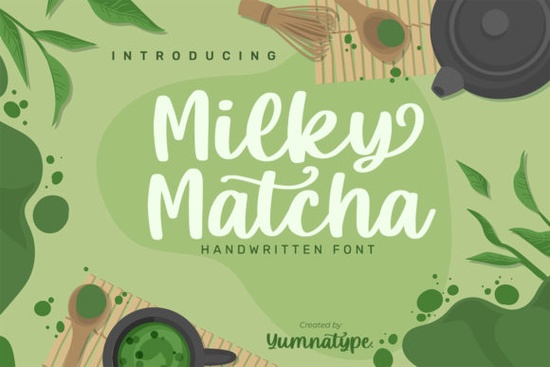
Finding the right handwritten typeface can shape the entire feel of your creative projects. Whether you are designing packaging for a small business or making custom apparel for a print-on-demand shop, the lettering needs to feel personal and authentic. The Milky Matcha Font offers a bold, cute, and slightly quirky aesthetic that works beautifully for these kinds of applications. It brings a timeless, hand-drawn charm to your canvas without looking messy or hard to read.
What makes this typeface stand out for crafters and designers?
Many handwritten styles struggle to balance personality with legibility. This particular design leans into a thicker, bolder stroke weight, which makes it highly visible even when scaled down for product tags or social media graphics. The slightly rounded edges give it a friendly, approachable vibe that is perfect for lifestyle brands, children's products, and cozy home decor items.
One of the most practical features for digital creators is that it is PUA encoded. If you are using software like Cricut Design Space, Silhouette Studio, or older versions of Photoshop that do not automatically support advanced OpenType features, PUA encoding allows you to manually copy and paste alternate characters, glyphs, and swashes directly into your workspace. This means you get full access to the extra flourishes without needing expensive design software.
How can you use it in print-on-demand and small business branding?
When building a cohesive brand identity, mixing different typefaces helps create visual hierarchy. You might use this bold script for your main logo or featured product names, and then pair it with a simpler, more structured option for your body text. For instance, if you want a slightly more rustic feel for your secondary headings, you could explore our farmhouse style lettering to complement the bolder strokes.
For print-on-demand sellers creating t-shirts, tote bags, or mugs, thick handwritten styles tend to print very cleanly. The bold lines hold up well during the screen printing or direct-to-garment process. If you are designing a wedding collection and need something a bit more delicate for the invitations, you might want to contrast it with a softer almond-inspired script for the guest names.
Crafters making vinyl decals for cars or water bottles will also appreciate the thick strokes, as they are much easier to weed and apply than ultra-thin scripts. If you prefer a continuous, single-line look for your foiling projects, checking out Justin Hailey's monoline designs could give you some great alternative ideas for your crafting toolkit.
Which projects work best with bold, cute lettering?
Because of its playful and confident weight, this style works well in specific types of creative work. Here are a few ways hobbyists and professionals are using similar bold scripts:
- Product Packaging: Ideal for artisan coffee bags, matcha tins, or handmade soap labels where a friendly, handcrafted look is essential.
- Social Media Graphics: The thick strokes grab attention on small mobile screens, making it great for Instagram quotes or Pinterest pins.
- Event Signage: Perfect for welcome signs, seating charts, and menu boards at casual weddings or baby showers.
- Sticker Making: The bold lines make cutting and peeling vinyl stickers much easier for small business owners.
If you are working on a winter holiday collection and need something that feels a bit more festive, you might also like browsing some crisp, wintery script options to add seasonal variety to your shop. Alternatively, for a highly collaborative or community-focused brand project, a font centered around camaraderie and connection might perfectly match your brand's core message.
How to prepare your files for cutting and printing
Before you send your designs to the printer or start cutting vinyl, run through this quick checklist to ensure your lettering looks its best:
- Convert to outlines: Always convert your text to vector paths or outlines before sending files to a commercial printer. This prevents any missing font errors.
- Check the swashes: Since the typeface is PUA encoded, open your character map to test out all the alternate endings and swashes to see which fits your layout best.
- Adjust the kerning: Handwritten styles often require manual spacing adjustments. Tweak the kerning so the overlapping letters look natural and connected.
- Test a small print: If you are using a Cricut or Silhouette machine, cut a small test patch on scrap material to ensure the bold lines weed cleanly without tearing.
Taking a few extra minutes to refine your spacing and test your materials will save you time and wasted supplies in the long run. Grab your favorite design software, pull up the character map, and start experimenting with your new lettering.
Explore Design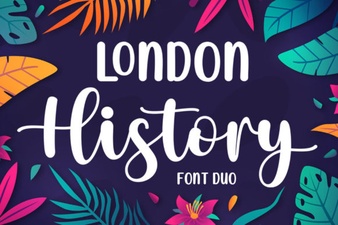 Creative Typography: London's History Through Duo Fonts
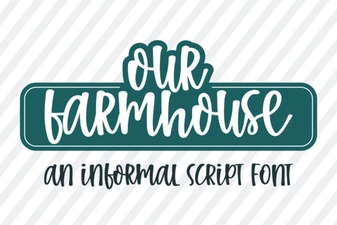 Our Farmhouse Font for Creative Projects
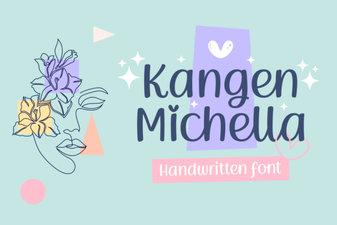 Kangen Michella Font: Creative Projects and Uses
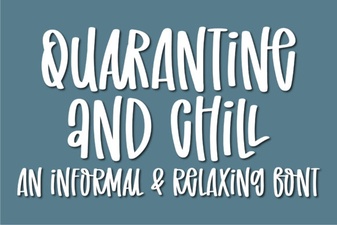 Quarantine and Chill Font for Creative Projects
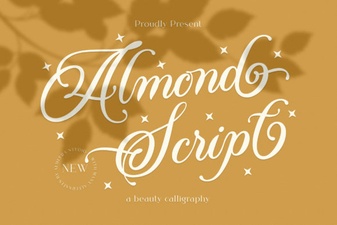 Almond Script: a Beautiful & Creative Font
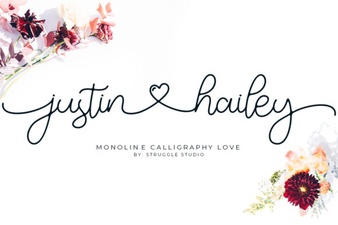 Justin Hailey Monoline Font: Download & Usage Guide