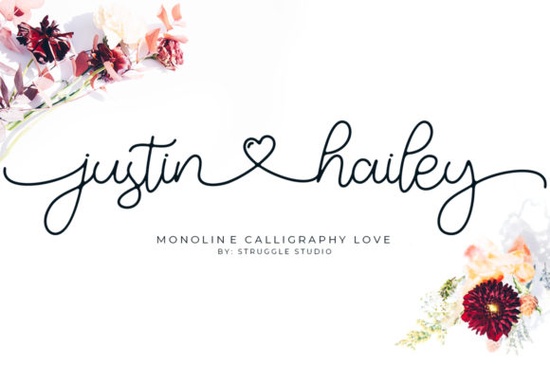
Finding the right handwritten typeface for delicate projects can take hours of scrolling through endless options. You need something that feels personal but remains easy to read at smaller sizes. The Justin Hailey Monoline Font offers a distinct, timeless aesthetic that works beautifully across various mediums. Because it features a consistent stroke width, it avoids the heavy downstrokes that sometimes cause printing or cutting issues. This makes it an incredibly reliable choice for crafters, print-on-demand sellers, and graphic designers who need clean, predictable results.
What makes a monoline script work for wedding stationery?
Wedding invitations require a careful balance between elegance and legibility. When couples want a personal touch without the strict formality of traditional copperplate calligraphy, a clean script is usually the best route. If you are browsing for a reliable wedding stationery typeface, look for uniform letter heights and generous spacing. Justin Hailey provides that delicate feel while keeping the individual letters distinct and easy to decipher.
This consistency prevents the ink from bleeding together on textured cardstock, which is a common issue with thicker, more ornate scripts. Beyond the main invitation, this uniform stroke weight is perfect for smaller wedding day details. It scales down beautifully for place cards, table numbers, and menu headings, ensuring your guests can read their names and meal options without squinting.
How do you pair delicate handwritten typefaces with other styles?
Designers know that a script should rarely be used for long paragraphs of text. It needs a solid supporting typeface to handle the heavy lifting. When creating a logo or a greeting card, pair your delicate script with a clean sans-serif or a structured serif to ground the design.
For instance, if you want a more classic, editorial feel, you might combine it with a vintage duo typeface to balance the modern monoline strokes with historical charm. Alternatively, if the project calls for a softer, more romantic mood, blending it with a flowing brush style in the subheadings can create a beautiful visual hierarchy. Just remember to let the monoline font act as the focal point. Use the secondary fonts strictly for supporting details like dates, addresses, or body copy, and avoid using two scripts in the same layout.
Which small business projects benefit from a timeless handwritten look?
Small businesses and creative hobbyists often use handwritten elements to build brand approachability. A stiff, corporate logo can feel intimidating to new customers, whereas a delicate script feels welcoming, artisanal, and human. This style works exceptionally well for packaging labels, thank you cards, and social media quotes.
If you are designing merchandise or everyday apparel, you might also explore an uplifting everyday script for casual tote bags, stickers, or mugs. For more relaxed, cozy product lines like handmade candles or loungewear, a comfort-focused lettering style can complement the main monoline logo perfectly on woven tags or tissue paper. The key is to match the font's delicate nature with the specific emotion you want your customers to feel when they unbox your products.
How should you prepare monoline fonts for cutting machines?
Before sending your design to a commercial printer or cutting it on your home vinyl machine, run through this quick checklist to ensure the best possible results:
- Check the kerning: Monoline fonts sometimes need manual spacing adjustments, especially around capital letters or unique character combinations. Tweak the tracking until the gaps look visually even.
- Weld the letters: If using a Cricut or Silhouette, weld the letters in your design software so the machine cuts the entire word as a single, continuous piece of vinyl or cardstock.
- Verify the contrast: Ensure the delicate strokes stand out clearly against your chosen background color. Thin lines can easily disappear on busy patterns or low-contrast backgrounds.
- Add a slight offset: For very intricate cuts, adding a tiny offset border in your cutting software can prevent the machine from tearing the delicate loops and tails.
- Print a physical proof: Always print a test page on your actual paper stock to check for ink bleed on the thinner lines before committing to a full production run.
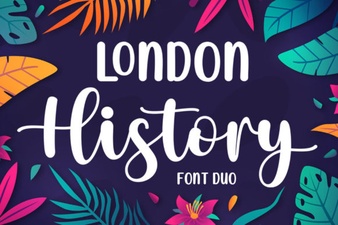 Creative Typography: London's History Through Duo Fonts
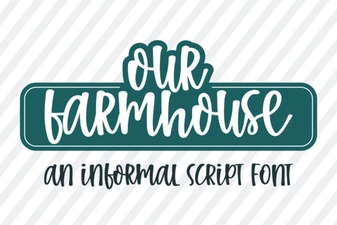 Our Farmhouse Font for Creative Projects
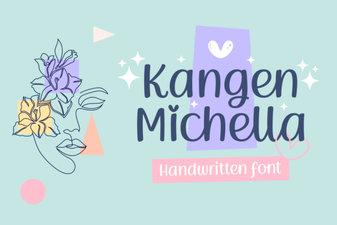 Kangen Michella Font: Creative Projects and Uses
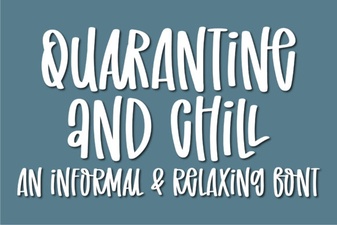 Quarantine and Chill Font for Creative Projects
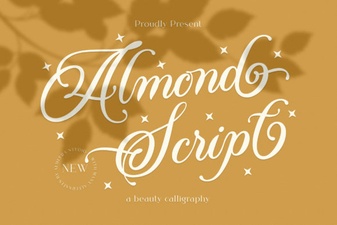 Almond Script: a Beautiful & Creative Font
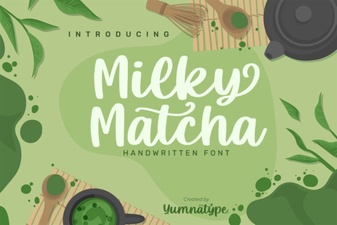 Milky Matcha Font: a Creative Design Toolkit