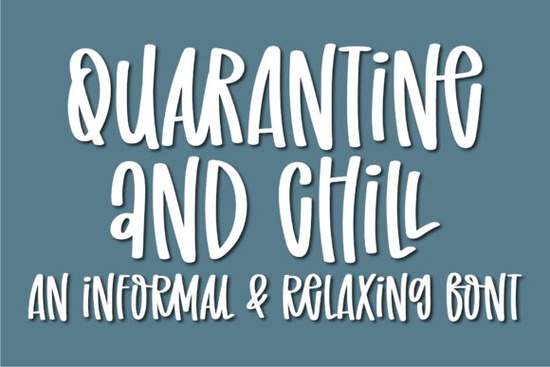
Finding the right handwritten typeface for casual projects can be tricky. You want something that looks like real handwriting without being messy or hard to read. The Quarantine and Chill Font solves this problem by offering a relaxed, informal style that mimics natural marker or chalk writing. It works exceptionally well for crafters and small business owners who need a friendly, approachable vibe for their DIY projects, classroom materials, or custom merchandise. Whether you are making a quick social media graphic or a detailed physical product, having a reliable handwritten option is incredibly useful.
What projects work best with casual handwritten typefaces?
When you are designing items that need a personal touch, the typography sets the mood. This specific typeface shines in environments where a polished, corporate look would feel out of place. Print-on-demand sellers often use it for coffee mugs, tote bags, and casual t-shirts because the relaxed letterforms connect well with everyday buyers.
Teachers and educators also find this style highly effective for classroom decor and worksheet headers. If you are putting together a chalkboard quote for a cafe or a welcome sign for an event, the slightly imperfect strokes give it an authentic feel. For those who want to explore similar relaxed styles, browsing through options like the Justin Hailey monoline typeface can give you more ideas for clean, casual lettering.
How do you pair informal fonts with other typography?
Mixing typefaces is a common challenge for designers. The golden rule is to contrast your casual handwritten text with a clean, easy-to-read sans-serif or a classic serif. This keeps your layout balanced and ensures your main message stands out without overwhelming the reader.
For example, if you use this relaxed font for a large, catchy headline, pair it with a simple geometric sans-serif for the body text. If you are working on a greeting card and need a slightly more romantic alternative for the names, you might try pairing it with the Blossom script typeface to create a beautiful visual contrast.
Another great approach is to mix different handwritten styles for a layered, scrapbook aesthetic. Combining it with the Enjoy the Little Things lettering adds a playful, bouncy secondary text option that keeps the design lighthearted and fun.
Where can you use chalkboard-style lettering in small business branding?
Small businesses, especially those in the food, beverage, and boutique retail sectors, rely heavily on approachable branding. Chalkboard-style lettering feels organic and welcoming. You can use this font for menu boards, daily special signs, and product packaging labels.
Crafters making custom wood signs or acrylic decals will appreciate how the natural variations in the stroke width translate well to cutting machines. If you are designing a logo for a cozy coffee shop and want to test out a few different vibes, looking at the Milky Matcha lettering might provide some inspiration for a softer aesthetic.
Social media graphics also benefit from this informal look. When creating Instagram stories or Pinterest pins, using a friendly handwritten font for your text overlays makes the content feel more like a personal recommendation. For a slightly more modern, minimalist approach to social media quotes, the Linkgray typeface offers a sleek alternative that still maintains a handcrafted feel.
What should you check before finalizing your font choice?
Before you commit to a typeface for a large project or a final product run, it helps to test it in your actual design environment. Here is a quick checklist to ensure your lettering looks perfect:
- Test the legibility: Print a sample or view it on a mobile screen to make sure the casual strokes remain easy to read at smaller sizes.
- Check the spacing: Handwritten fonts sometimes need manual kerning adjustments, especially with uppercase letters or specific character combinations.
- Review the license: Always verify whether your purchase covers personal use, commercial use, or print-on-demand selling, depending on your project needs.
- Mockup the design: Place your text on a realistic mockup of your final product to see how the texture and weight hold up in real life.
Taking these extra few minutes to review your layout will save you from having to redo your work later. Always keep a backup of your editable design files so you can easily swap out the typography if you decide to change directions in the future. Testing your fonts on the actual medium they will be printed on is the best way to guarantee a polished result.
Try It Free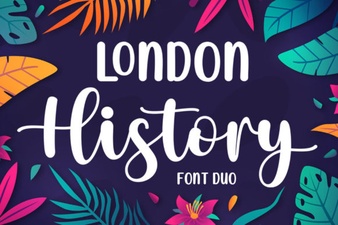 Creative Typography: London's History Through Duo Fonts
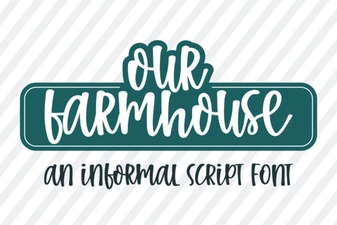 Our Farmhouse Font for Creative Projects
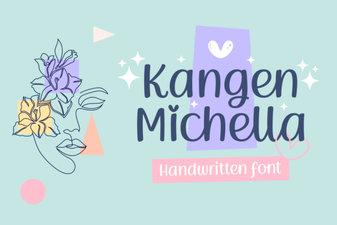 Kangen Michella Font: Creative Projects and Uses
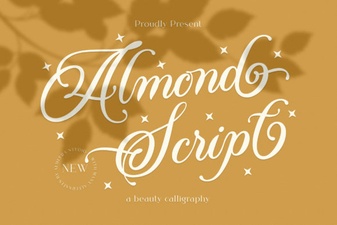 Almond Script: a Beautiful & Creative Font
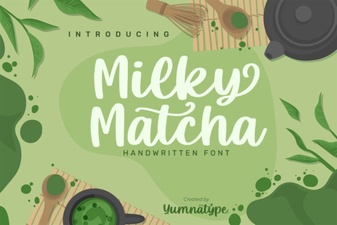 Milky Matcha Font: a Creative Design Toolkit
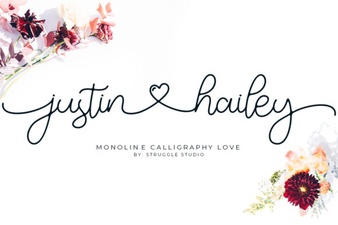 Justin Hailey Monoline Font: Download & Usage Guide