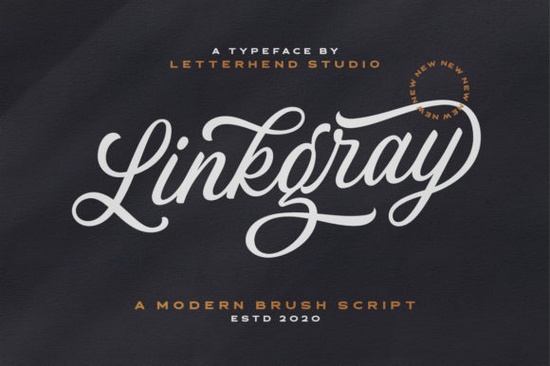
Finding the right typography for your creative projects often comes down to balancing readability with personality. If you are designing merchandise, planning a wedding, or just making cute social media graphics, you need a typeface that feels approachable. The Linkgray Font is a casual, handwritten option that brings a friendly, welcoming vibe to any layout. It includes beautiful swashes and ligatures, giving your text a custom, hand-lettered look without requiring you to draw it yourself.
What makes a handwritten font work for small businesses?
Small business owners and print-on-demand sellers need typography that connects with customers on a personal level. Stiff, corporate typefaces rarely work for boutique brands. A relaxed script creates a sense of warmth and authenticity. When you use a style like this on product packaging or thank-you cards, it feels like a personal note rather than a mass-produced label. The natural flow of the letters mimics real handwriting, which helps build trust and familiarity with your audience.
How can you use script fonts for Instagram and social media?
Social media graphics rely heavily on quick visual impact. When creating quote cards, promotional banners, or story highlights, your text needs to stand out while remaining easy to read on small screens. The extra swashes and connecting ligatures in this typeface add decorative flair to short phrases. If you want to explore other options with a similar cozy aesthetic for your feed, you might enjoy browsing through softer, cafe-inspired lettering styles to match your brand's color palette. Just remember to keep your background clean so the intricate letter details remain visible.
Which DIY and crafting projects suit casual calligraphy?
Crafters and hobbyists often look for versatile lettering for physical projects. This style of typography is perfect for a wide variety of handmade items:
- Custom apparel: Printing short, uplifting quotes on t-shirts or tote bags.
- Home decor: Designing wooden signs, throw pillows, or wall art with family names.
- Stationery: Creating personalized greeting cards, gift tags, and wedding invitations.
- Digital planning: Adding decorative headers to digital planners or printable stickers.
For those who love a slightly more romantic or floral vibe in their paper crafts, looking into elegant, nature-themed typography can provide a nice alternative for formal invitations.
What should you look for when pairing script fonts?
Using a highly decorative script for every single word on your page will make your design messy and hard to read. The best approach is to use the script for your main headline or focal point, and then pair it with a simple, clean sans-serif or typewriter font for the body text. This contrast ensures your message is clear. If your current project requires a slightly more quirky or relaxed secondary font to balance things out, checking out laid-back, everyday lettering choices can give you some great pairing ideas.
How do you install and use custom typefaces in design software?
Once you download your files, you will usually get standard OTF or TTF formats. Installing them is as simple as double-clicking the file and selecting install on your computer. After installation, the typeface will appear in the font menu of programs like Cricut Design Space, Silhouette Studio, Canva, or Adobe Illustrator. To access the special swashes and ligatures, you will need to use the Glyphs panel in Adobe software or a character map tool on your operating system. If you prefer a very smooth, continuous line for your cutting machine projects, you might also like fluid, unbroken signature styles that cut cleanly on vinyl.
When should you avoid using highly decorative lettering?
While beautiful scripts are great for short titles, they are not suitable for long paragraphs. Avoid using them for terms and conditions, detailed product descriptions, or small disclaimer text. Also, be careful when using them on highly textured backgrounds, as the thin connecting lines can get lost. For a more structured but still friendly look on longer text blocks, clean, readable handwritten alternatives might serve your layout better.
Quick Checklist for Your Next Design Project
- Check your contrast: Ensure your text color stands out clearly against the background.
- Limit your usage: Restrict the script font to headlines, logos, or short quotes of fewer than ten words.
- Enable ligatures: Turn on standard and discretionary ligatures in your design software for natural letter connections.
- Test the cut: If using a Cricut or Silhouette, do a test cut on scrap paper to ensure the thin loops do not tear.
- Proofread carefully: Double-check your spelling before cutting or printing, as correcting physical mistakes is difficult.
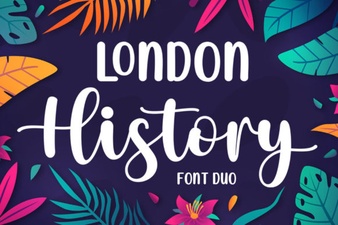 Creative Typography: London's History Through Duo Fonts
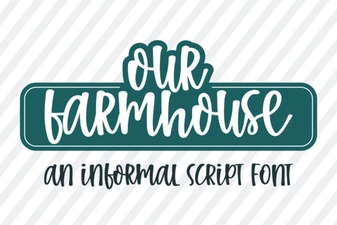 Our Farmhouse Font for Creative Projects
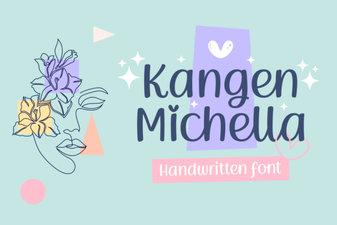 Kangen Michella Font: Creative Projects and Uses
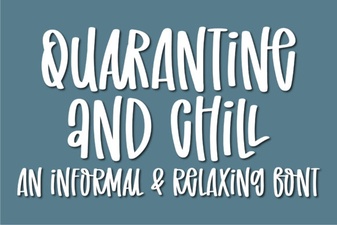 Quarantine and Chill Font for Creative Projects
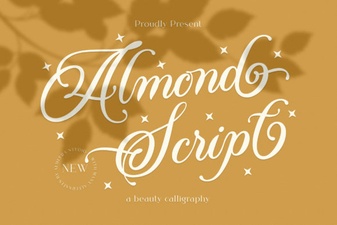 Almond Script: a Beautiful & Creative Font
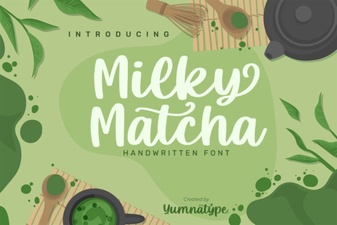 Milky Matcha Font: a Creative Design Toolkit